What is counselling?
Counselling is an accessible form of support for life's larger questions, working through emotional themes, and during times of great change. Together we look with awareness and kindness at what is going on in the here and now, without rushing toward solutions.
Sometimes you notice that what you do on the outside no longer matches with your inside world. This incongruence can show up as restlessness, tension, worrying, fatigue, or feelings of sadness.
Counselling helps bring clarity to what is going on, by feeling, understanding, and practicing new ways of relating to yourself and others.
Common themes include:
- Stress, fatigue, or (early stages of) burnout
- Uncertainty, worry, or fear of failure
- Relationship issues, separation, or loss
- Grief, endings and transitions
- Question around life phases and purpose
- Setting boundaries, feelings of anger or guilt
- A sense of emptiness or alienation

Counselling focuses on mild to moderate emotional or personal concerns.If there are signs of more serious mental health problems, I will refer you to appropriate care.
How does counselling work?
In a counselling trajectory we meet several times and explore, based on your questions or situation, what is most needed now.
A minimum of three sessions is usually required to feel comfortable and gain clarity on the path forward. Often more sessions are needed, but don't expect a year‑long process. My role is to give you clarity and the skills you can take with you to continue your process on your own.
A session lasts 60 minutes and takes place in my practice in Bergen or online. Our conversations are held in complete confidentiality and safety. An interval of two weeks between sessions is often best to allow time to work with new insights and exercises.

Partner- and other relations
For couples therapy, both partners are present, at least for the first session. After that, it is common for partners to explore their own trajectory, and to join back together towards the end of the process.
I do not work with families and children in the practice, although family and upbringing are often important topics in therapy.
The background of my method
I am trained as a counsellor in the Working With People method. This school draws on three primary sources of inspiration:
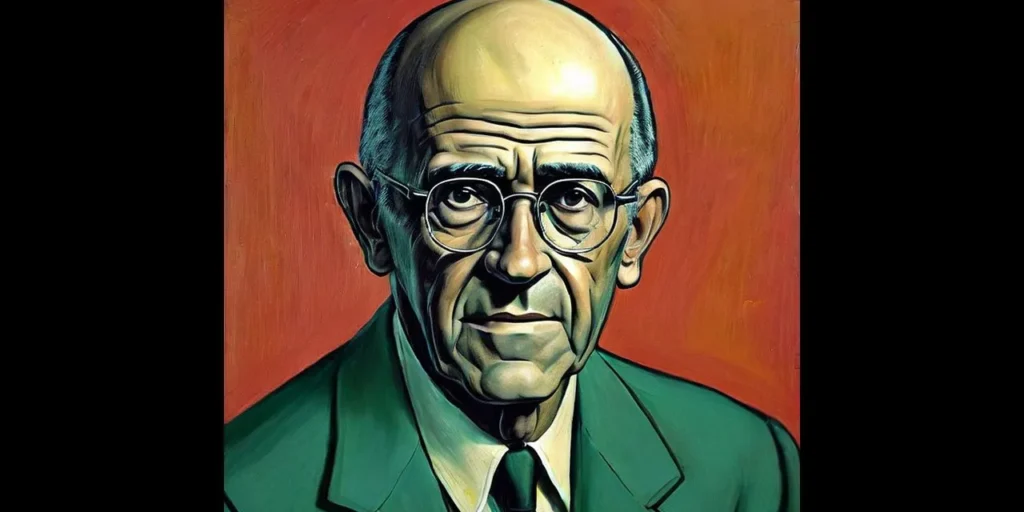
Carl Rogers, who laid the foundation of humanistic psychology by emphasizing authenticity, empathy, and acceptance. His vision — “his experience is his reality” reminds me that where you are now is where we start.
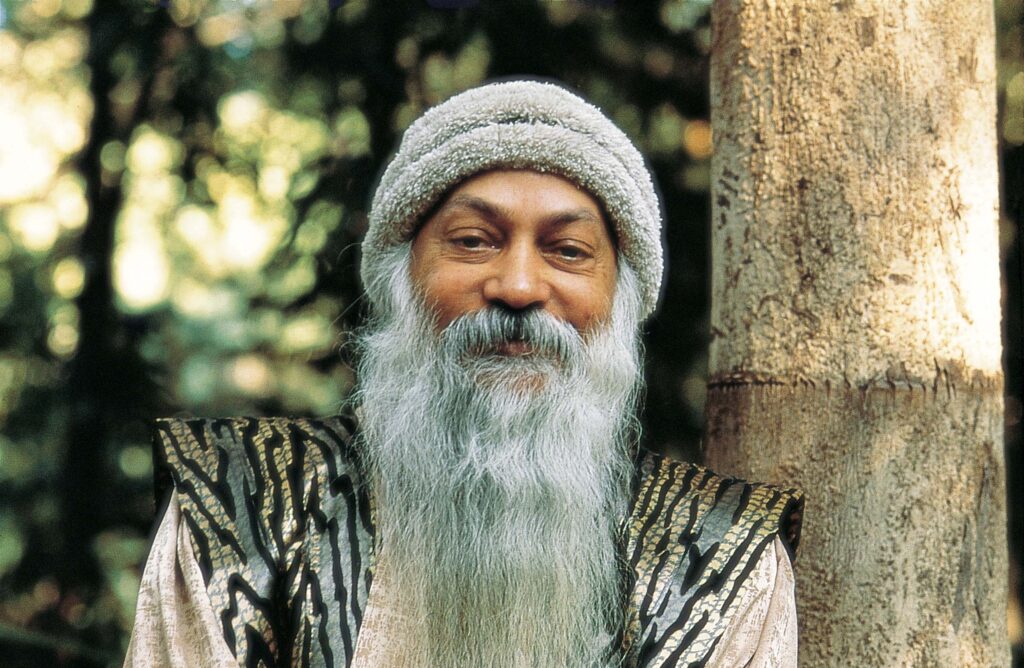
Osho combined eastern wisdom with western psychology. He taught that real freedom arises when we release societal, religious, and mental conditioning and fully inhabit the present moment. Meditation, love and play are his keys to an authentic life.
In the Diamond Approach , A.H. Almaas invites open exploration of direct experience. To feel with curiosity what is happening inside, body and spirit.
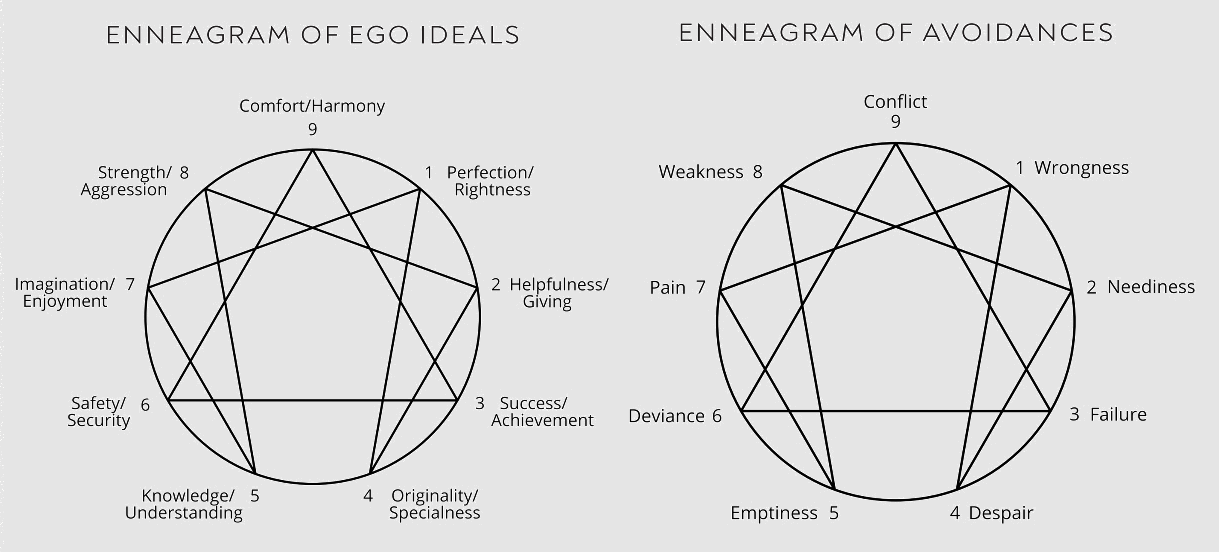
The common thread is a humanistic focus: the human being is central. Every person is worthy, free, and responsible for giving meaning to their life, in connection with others.